Can Pool Water Damage Your Teeth? What Swimmers Need to Know
June 22, 2026 · BlackbeltCommerce Collaborator
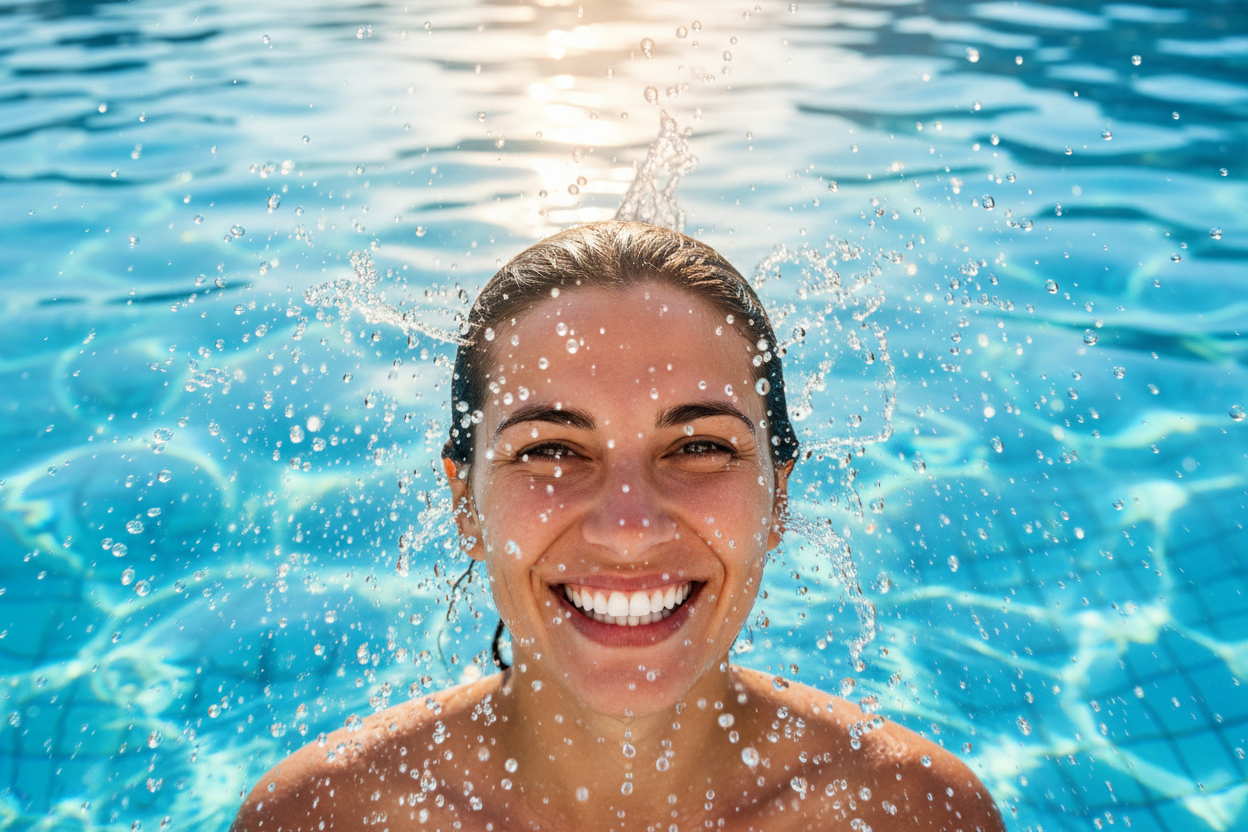
Summer is the perfect time to cool off in the pool, stay active, and enjoy outdoor activities. But if you're spending hours in the water, you may be wondering: Can pool water damage your teeth?
The short answer is yes—but only under certain conditions. While occasional swimming is unlikely to harm your smile, frequent exposure to improperly maintained pool water can contribute to dental problems over time.
Here's what every swimmer should know about the connection between pool water and oral health.
How Can Pool Water Affect Your Teeth?
Swimming pools are treated with chemicals to keep the water clean and safe. When a pool's chemical balance is not properly maintained, the water can become too acidic.
Acidic water can gradually wear away tooth enamel—the hard outer layer that protects your teeth from decay, sensitivity, and damage.
This condition is sometimes called "swimmer's calculus" or "swimmer's erosion", and it is most commonly seen in competitive swimmers or people who spend many hours in pools each week.
What Is Swimmer's Calculus?
Swimmer's calculus is a brownish or yellowish stain that can develop on the front teeth after prolonged exposure to pool water with an improper pH balance.
When pool water is overly alkaline or poorly maintained, minerals can accumulate on the surface of teeth, creating noticeable deposits and discoloration.
Although swimmer's calculus is not usually dangerous, it can affect the appearance of your smile and may require professional dental cleaning to remove.
Signs That Pool Water May Be Affecting Your Teeth
If you swim frequently, watch for these common symptoms:
-
Increased tooth sensitivity
-
Yellowing or discoloration of teeth
-
Rough or chalky-feeling enamel
-
Small chips or worn edges on teeth
-
Increased staining
-
Discomfort when consuming hot, cold, or sweet foods
If you notice any of these changes, it's a good idea to schedule a dental evaluation.
Are Competitive Swimmers at Greater Risk?
Yes. Research has shown that people who spend many hours per week in swimming pools are more likely to experience enamel erosion and staining compared to recreational swimmers.
Competitive swimmers, swim instructors, lifeguards, and athletes who train regularly in pools face the highest risk because of their extended exposure to pool water.
For most people who swim occasionally during the summer, the risk is relatively low.
How to Protect Your Teeth While Swimming
The good news is that you don't have to avoid the pool to protect your smile.
Stay Hydrated
Swimming and hot summer weather can contribute to dehydration. Drinking plenty of water helps maintain healthy saliva production, which naturally protects your teeth from acid and bacteria.
Avoid Swimming in Poorly Maintained Pools
Well-maintained pools should have a balanced pH level. If the water causes eye irritation, has a strong chemical odor, or appears poorly maintained, consider limiting your exposure.
Rinse Your Mouth After Swimming
Rinsing with fresh water after swimming can help wash away pool chemicals and reduce their contact with your teeth.
Wait Before Brushing
If your teeth have been exposed to acidic conditions, brushing immediately may increase enamel wear. Instead, rinse with water and wait about 30 minutes before brushing.
Schedule Regular Dental Checkups
Routine dental exams allow your dentist to detect early signs of enamel erosion, staining, or other issues before they become more serious.
Can Children Experience Pool-Related Dental Problems?
Children who spend long hours swimming can experience similar issues, particularly if they participate in swim teams or summer training programs.
Parents should encourage good oral hygiene habits, provide plenty of water, and ensure regular dental visits throughout the year.
Frequently Asked Questions
Does chlorine damage teeth?
Chlorine itself is not typically the problem. Issues arise when pool water is improperly balanced, creating conditions that can contribute to enamel erosion or mineral deposits on teeth.
Can swimming pools cause tooth sensitivity?
Yes. Frequent exposure to improperly maintained pool water may weaken enamel, making teeth more sensitive to temperature changes and certain foods.
How often should swimmers see a dentist?
Most people should visit the dentist every six months. Competitive swimmers or individuals who spend significant time in pools may benefit from discussing their swimming habits with their dentist during routine checkups.
The Bottom Line
Swimming is an excellent form of exercise and a great way to enjoy the summer. For most people, pool water will not cause significant dental problems. However, frequent exposure to poorly maintained pools can contribute to enamel erosion, staining, and tooth sensitivity over time.
Being aware of the risks and taking a few simple precautions can help keep your smile healthy all season long.
Schedule Your Online Dental Appointment Today
Have you noticed tooth sensitivity, staining, or other changes in your smile after spending time in the pool? Our team is here to help.
A professional dental exam can identify early signs of enamel wear and ensure your teeth stay healthy throughout the summer.
Schedule your online appointment today and let us help you protect your smile for every season.