Why Do My Teeth Hurt When I Drink Cold Water?
June 22, 2026 · BlackbeltCommerce Collaborator
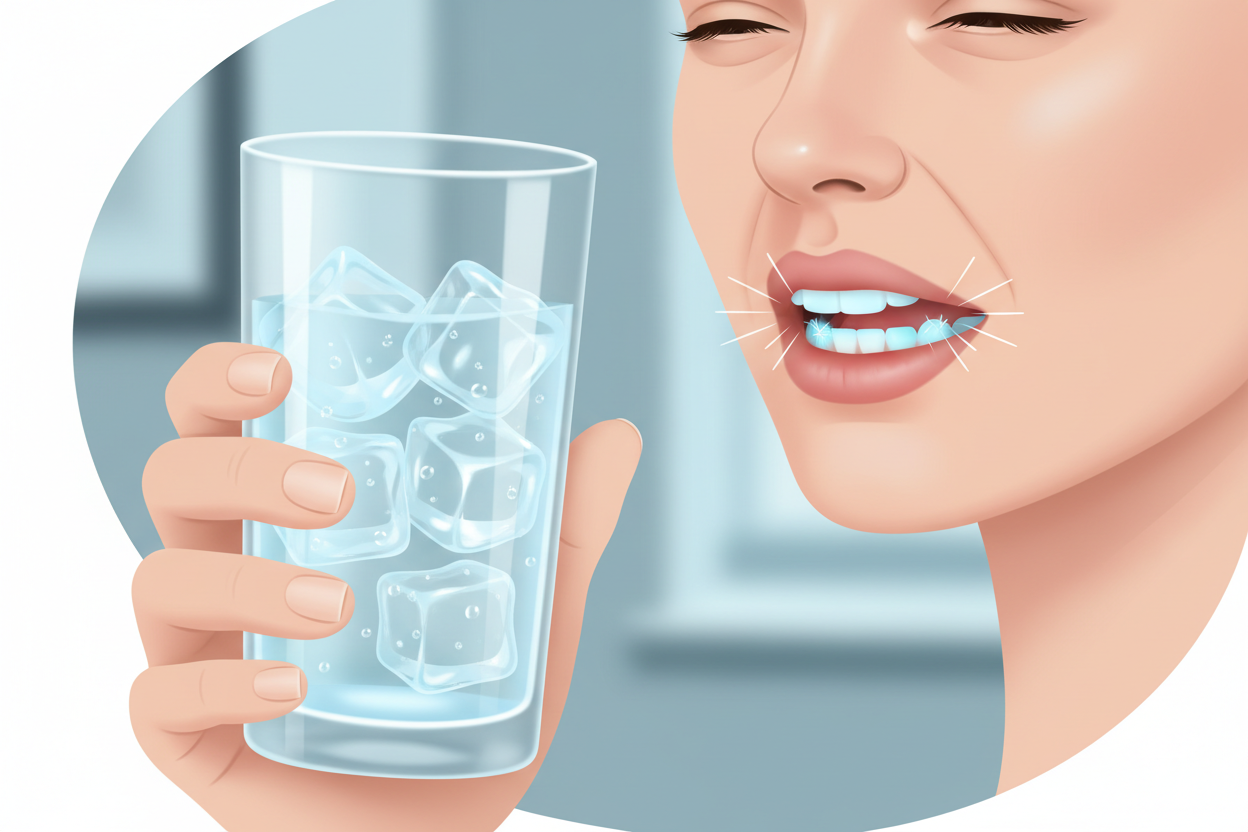
If you've ever taken a sip of ice-cold water and felt a sudden sharp pain in your teeth, you're not alone. Tooth sensitivity affects millions of people and is one of the most common reasons patients visit the dentist.
The good news is that tooth pain from cold water is often treatable once the underlying cause is identified.
In this article, we'll explain why your teeth may hurt when drinking cold water, the most common causes of tooth sensitivity, and when it's time to see a dentist.
Why Do My Teeth Hurt When I Drink Cold Water?
The most common reason teeth hurt when exposed to cold temperatures is tooth sensitivity, also known as dentin hypersensitivity.
Beneath the hard outer layer of enamel is a softer layer called dentin. Dentin contains tiny channels that connect directly to the nerves inside your teeth.
When enamel wears down or gums recede, cold water can reach these sensitive areas and trigger a sharp, sudden pain.
While occasional sensitivity may not be serious, persistent discomfort often indicates an underlying dental issue that should be evaluated.
Common Causes of Tooth Sensitivity
1. Worn Tooth Enamel
Enamel protects your teeth from temperature changes, acids, and bacteria. Over time, enamel can wear away due to:
-
Aggressive brushing
-
Acidic foods and drinks
-
Teeth grinding
-
Acid reflux
-
Aging
As enamel becomes thinner, the inner layers of the tooth become more vulnerable to cold sensations.
2. Receding Gums
Gum recession exposes the roots of your teeth, which are not protected by enamel.
This can make your teeth highly sensitive to cold water, cold foods, and even cool air.
Common causes of gum recession include:
-
Gum disease
-
Brushing too hard
-
Tobacco use
-
Genetics
-
Teeth grinding
3. Cavities
A cavity creates an opening in the tooth that allows cold temperatures to reach sensitive inner structures.
If one specific tooth hurts when you drink cold water, a cavity could be the culprit.
Other symptoms may include:
-
Toothaches
-
Pain when eating sweets
-
Visible holes or dark spots
-
Food getting trapped in the tooth
4. Cracked or Damaged Teeth
Even small cracks can expose sensitive parts of the tooth and allow cold liquids to irritate the nerve.
You may notice:
-
Pain when chewing
-
Sensitivity that comes and goes
-
Discomfort when drinking cold beverages
Cracks often worsen over time, making early treatment important.
5. Recent Dental Procedures
It's normal to experience temporary sensitivity after certain dental treatments, including:
-
Fillings
-
Crowns
-
Teeth whitening
-
Deep cleanings
In most cases, this sensitivity improves within a few days or weeks.
6. Teeth Grinding (Bruxism)
Many people grind or clench their teeth while sleeping without realizing it.
Over time, grinding can wear away enamel and increase sensitivity to hot and cold temperatures.
Other signs of teeth grinding include:
-
Jaw pain
-
Headaches
-
Worn or flattened teeth
-
Facial muscle soreness
Is It Normal for Teeth to Hurt When Drinking Cold Water?
Occasional mild sensitivity can happen from time to time.
However, if the pain is:
-
Frequent
-
Severe
-
Getting worse
-
Limited to one tooth
-
Accompanied by swelling or persistent toothaches
It's important to schedule a dental examination.
Sensitivity is often an early warning sign that something needs attention before it becomes a larger problem.
How Can I Reduce Tooth Sensitivity?
Depending on the cause, your dentist may recommend several treatment options.
Use Toothpaste for Sensitive Teeth
Specially formulated toothpastes can help block pain signals and reduce discomfort over time.
Brush Gently
Using a soft-bristled toothbrush and gentle brushing technique can help prevent further enamel wear and gum recession.
Limit Acidic Foods and Drinks
Frequent consumption of soda, citrus fruits, sports drinks, and energy drinks can weaken enamel.
Wear a Night Guard
If teeth grinding is contributing to your sensitivity, a custom night guard can help protect your teeth while you sleep.
Treat Underlying Dental Problems
If sensitivity is caused by cavities, gum disease, cracked teeth, or other dental conditions, professional treatment is often necessary.
When Should I See a Dentist?
You should schedule a dental appointment if:
-
Sensitivity lasts longer than a few days
-
Pain is becoming more intense
-
Only one tooth is affected
-
You notice swelling or bleeding gums
-
Over-the-counter products aren't helping
Early treatment can often prevent more extensive and costly dental procedures later.
Frequently Asked Questions
Why does only one tooth hurt when I drink cold water?
Pain in a single tooth may indicate a cavity, crack, failing filling, or infection. A dental examination can determine the exact cause.
Can tooth sensitivity go away on its own?
Mild sensitivity sometimes improves, especially if it's caused by temporary irritation. However, persistent sensitivity should be evaluated by a dentist.
Is cold water bad for sensitive teeth?
Cold water itself isn't harmful. The pain occurs because an underlying dental issue is exposing sensitive areas of the tooth.
Can gum recession cause sensitivity to cold water?
Yes. Exposed tooth roots are one of the most common causes of sensitivity to cold temperatures.
The Bottom Line
If your teeth hurt when you drink cold water, your body is trying to tell you something. While tooth sensitivity is common, it should never be ignored.
Whether the cause is enamel wear, gum recession, cavities, teeth grinding, or another dental issue, identifying the problem early can help protect your oral health and prevent more serious complications.
Schedule Your Online Appointment Today
Are you experiencing tooth sensitivity or pain when drinking cold water?
Our dental team can identify the cause of your discomfort and recommend the most effective treatment to restore your comfort and protect your smile.
Don't wait for the pain to get worse. Schedule your online appointment today and take the first step toward a healthier, pain-free smile.